The other thing that the Pantanal is famous for is the fabulous bird life. There are some 463 species of bird but I’m sorry to tell you we only spotted 47! Jane thinks we may have to go back after this poor effort🤓
Joking aside, the bird life was spectacular…better than anywhere I’ve ever been. We were constantly spotting so many different sightings. The main thing I learned was: Macaws are the big boys (and girls) and have a large area of bare skin around their eye. Parrots are midsize and have a short tail whereas Parakeets are generally the smallest and have long tails. Very useful.
Here is our complete list with apologies for spelling errors!
Roadside Hawk
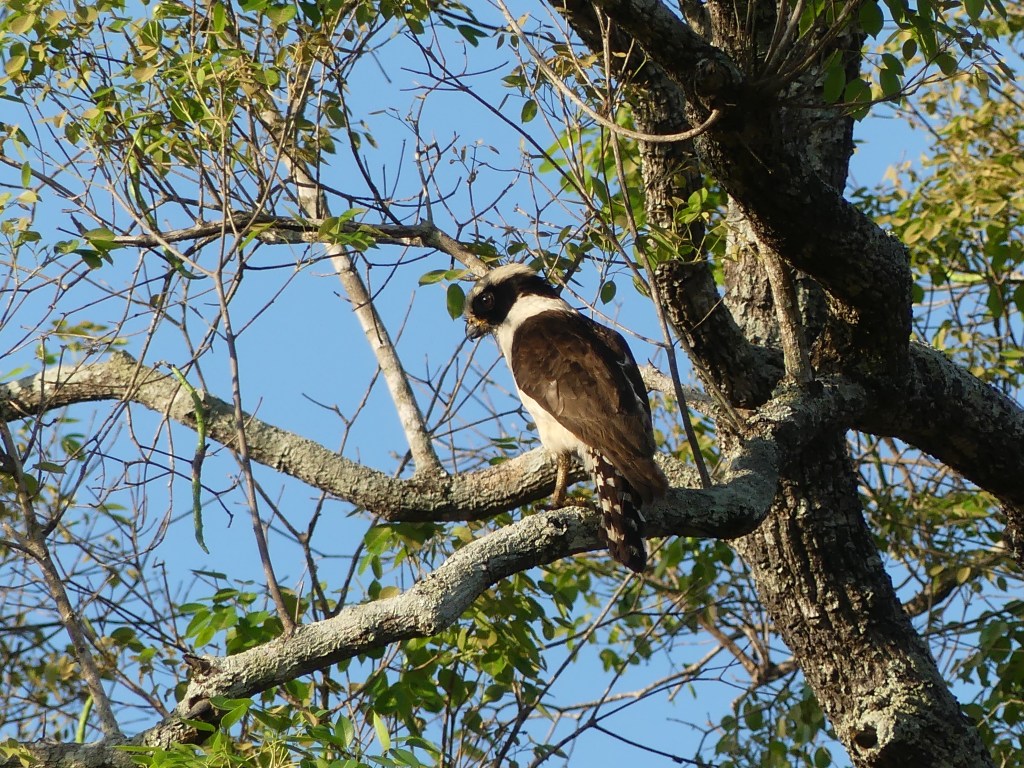
Laughing Falcon
Rhea
Black Faced Ibis
Grey Cowled Woodrail
Hyacinth Macaw
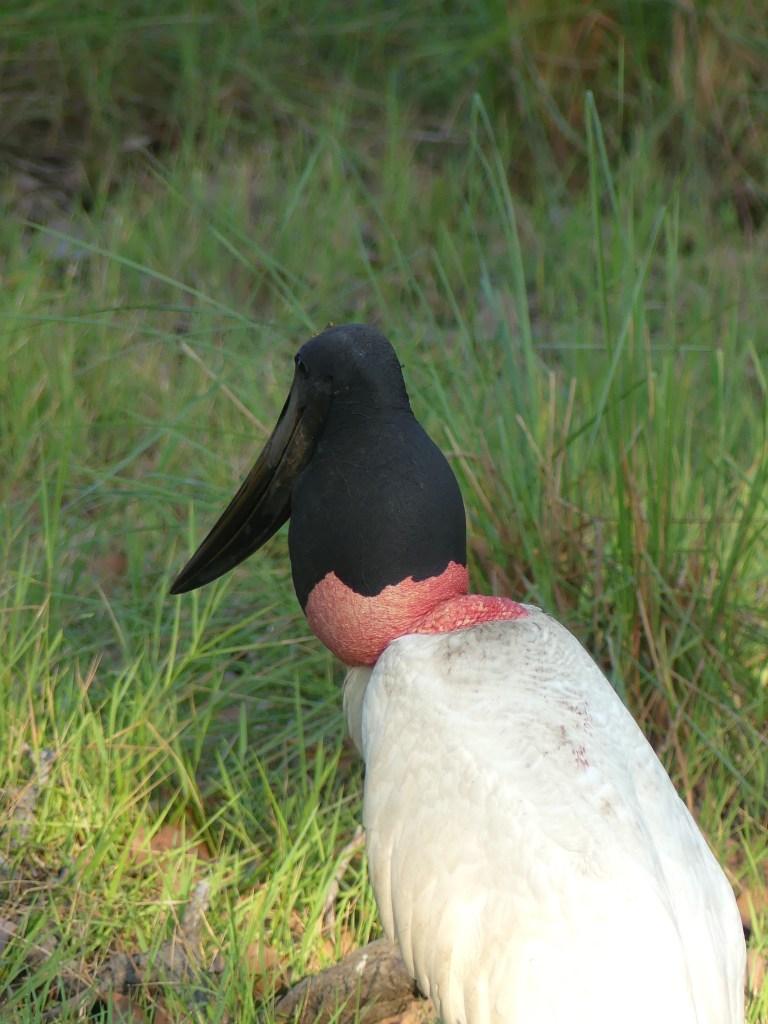
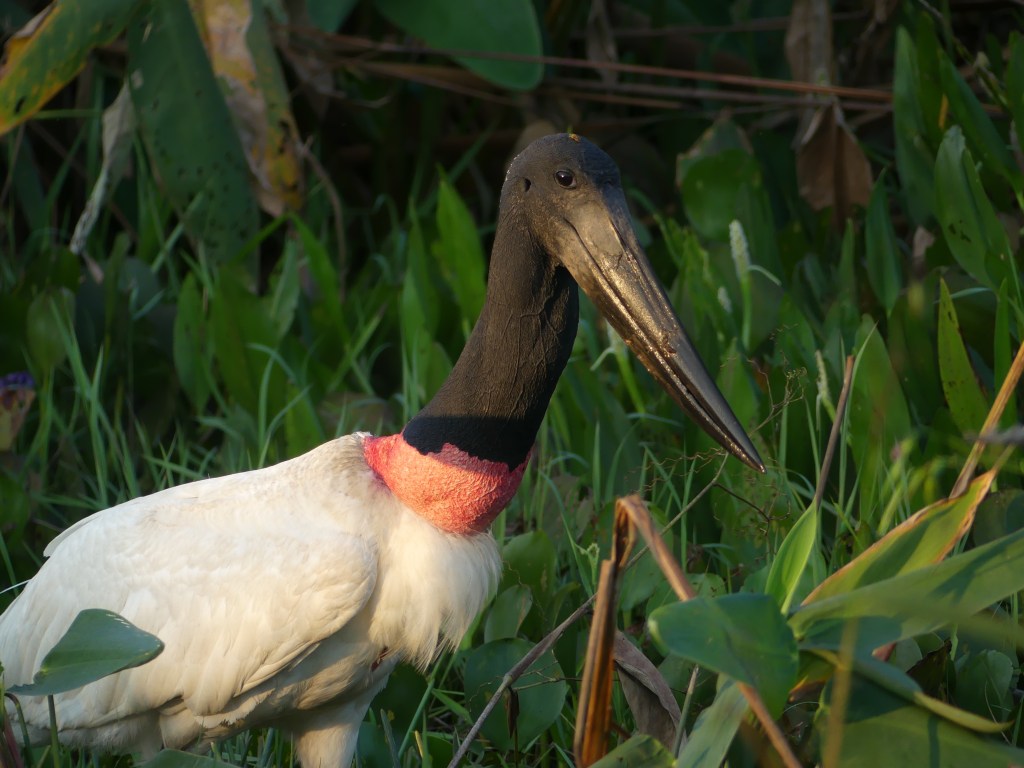
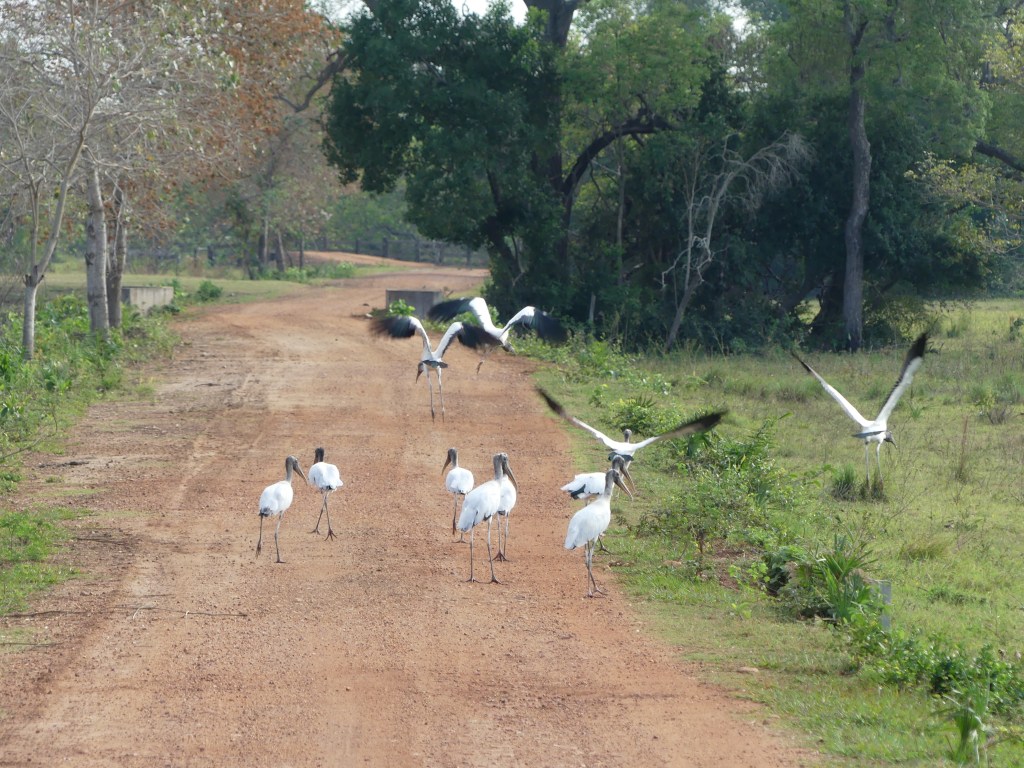
Jabaru
Wattled Jacana
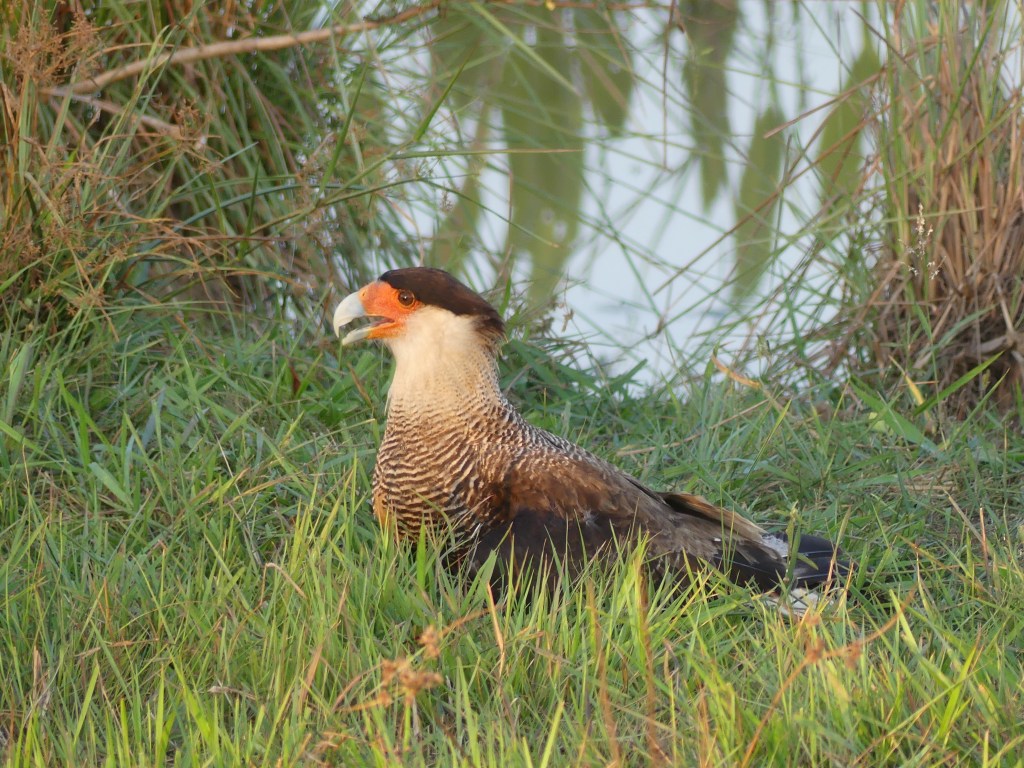
Caracara
Great Black Hawk
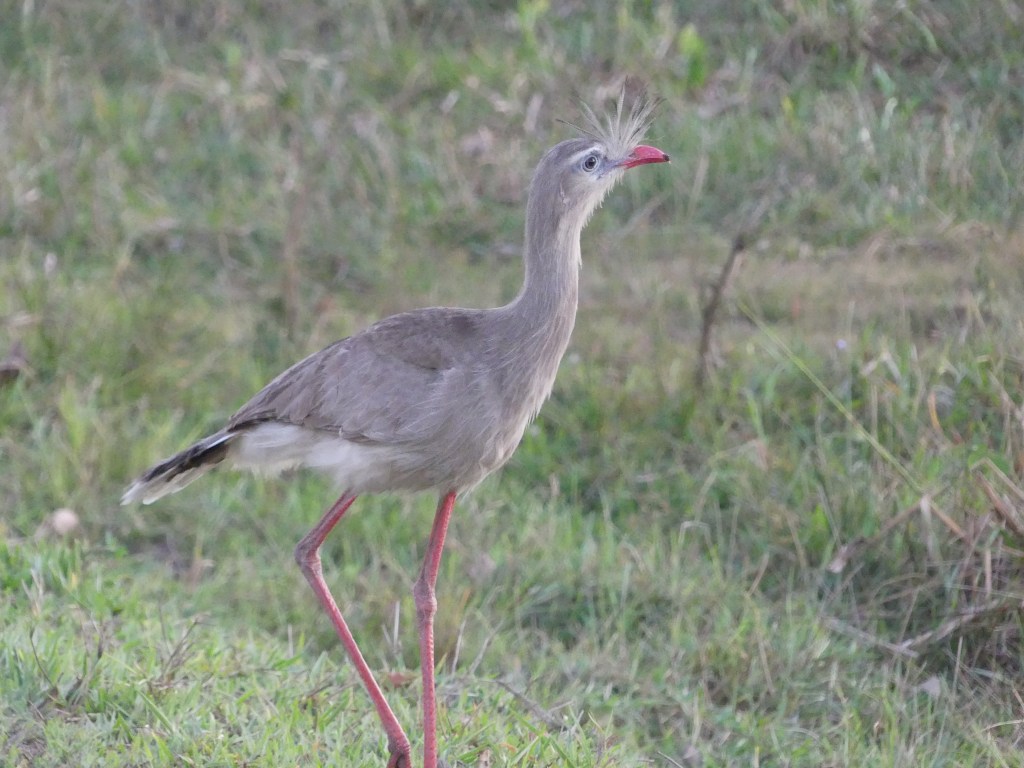
Red Legged Seriem
Little Nightjar
Rufescent Tiger Heron
Yellow Billed Cardinal
Southern Lapwing
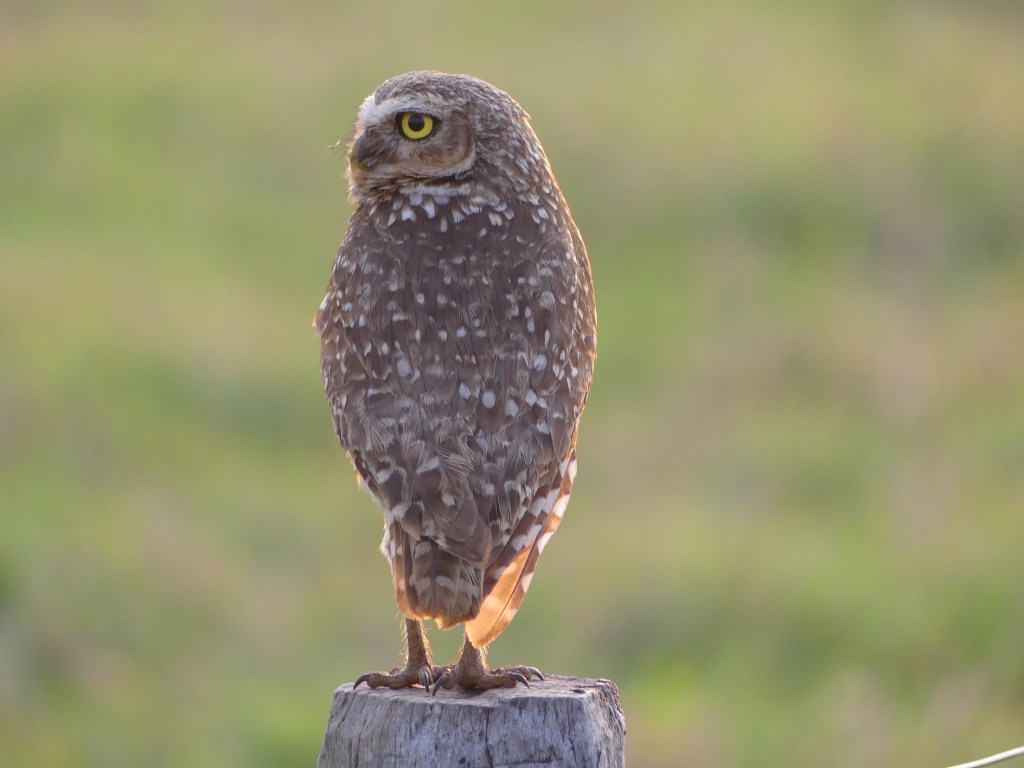
Burrowing Owl
Blue Fronted Parrot
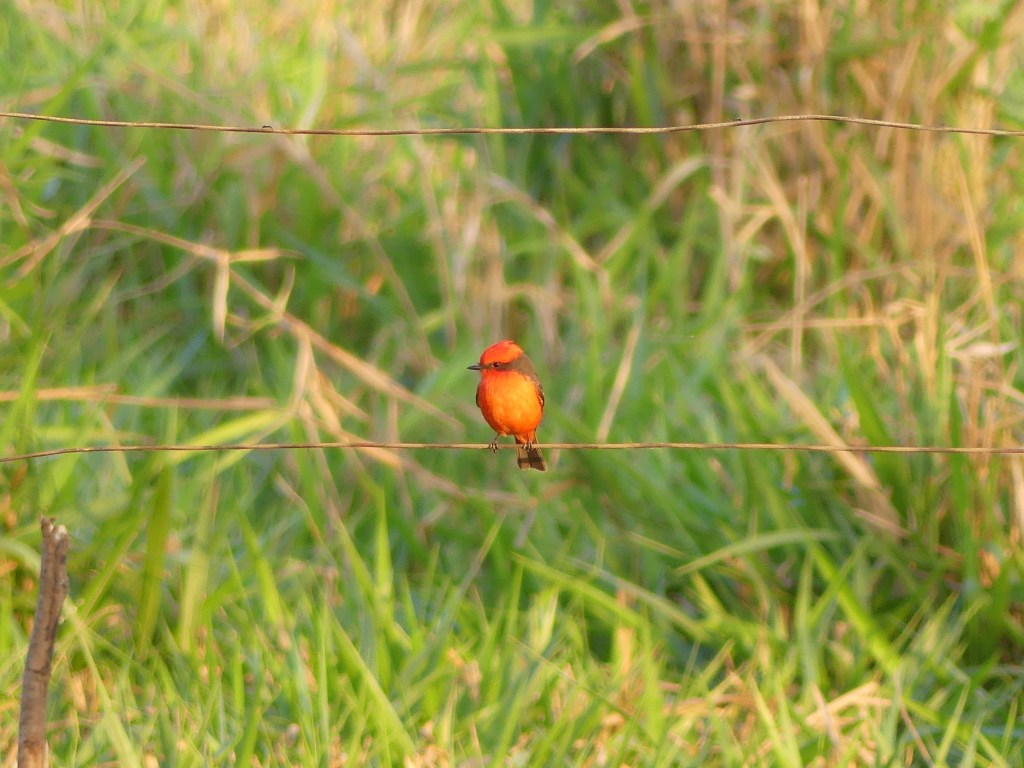
Vermillion Flycatcher
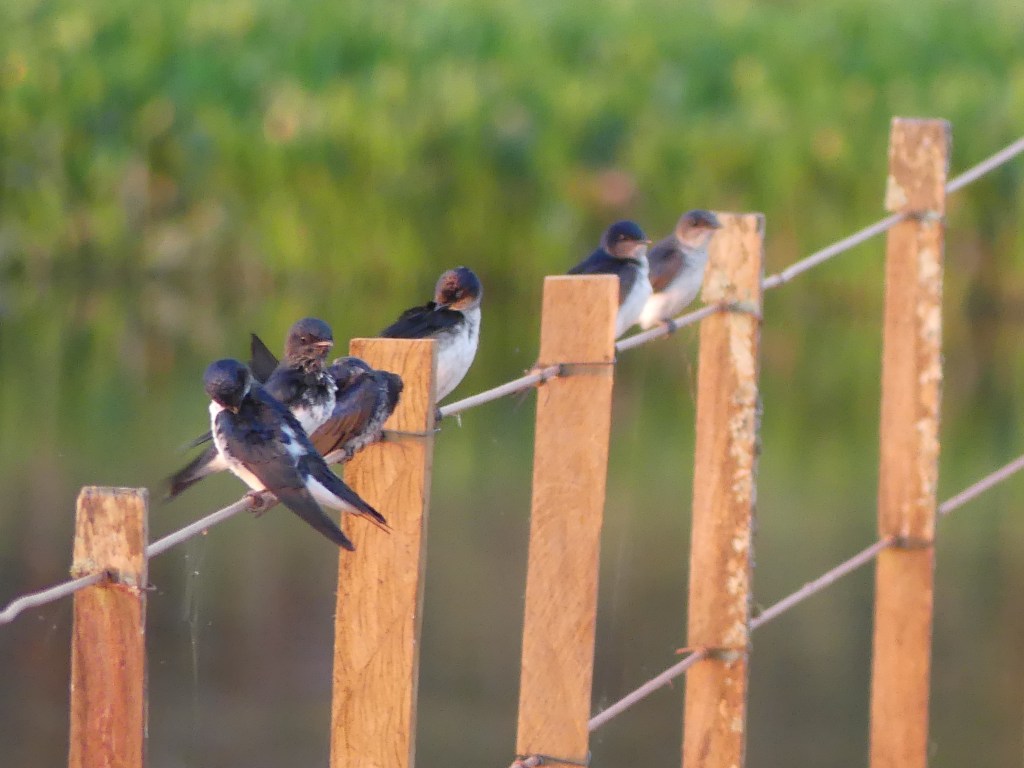
White winged Swallow
Bare Faced Curacao
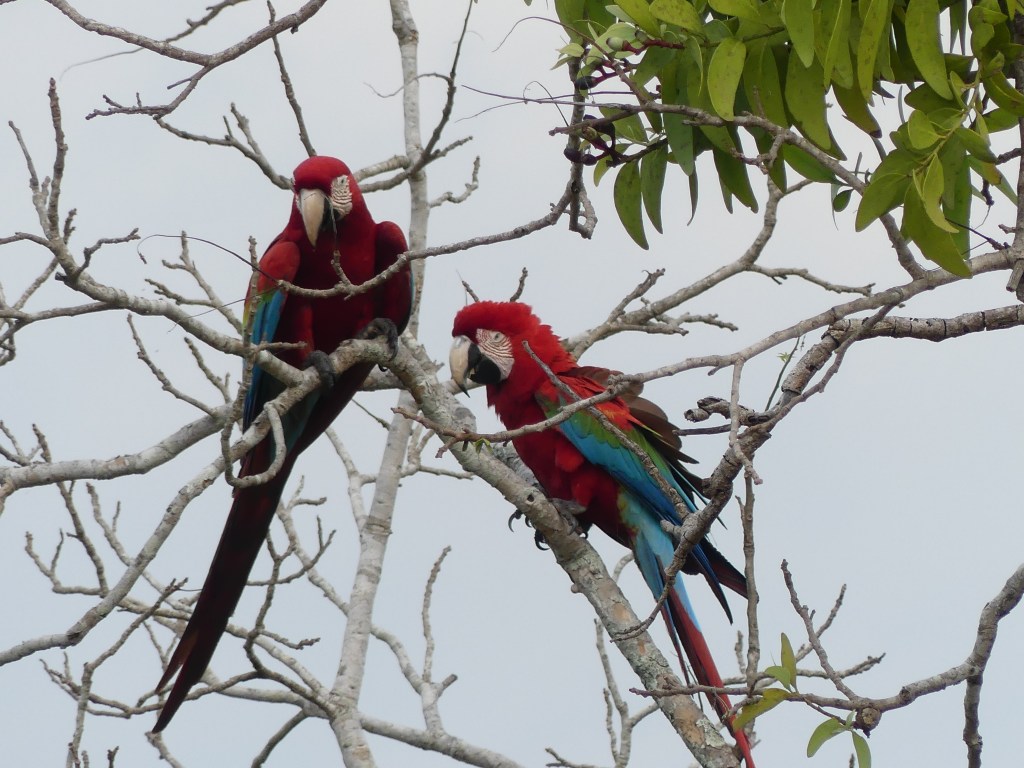
Red and Green Macaw
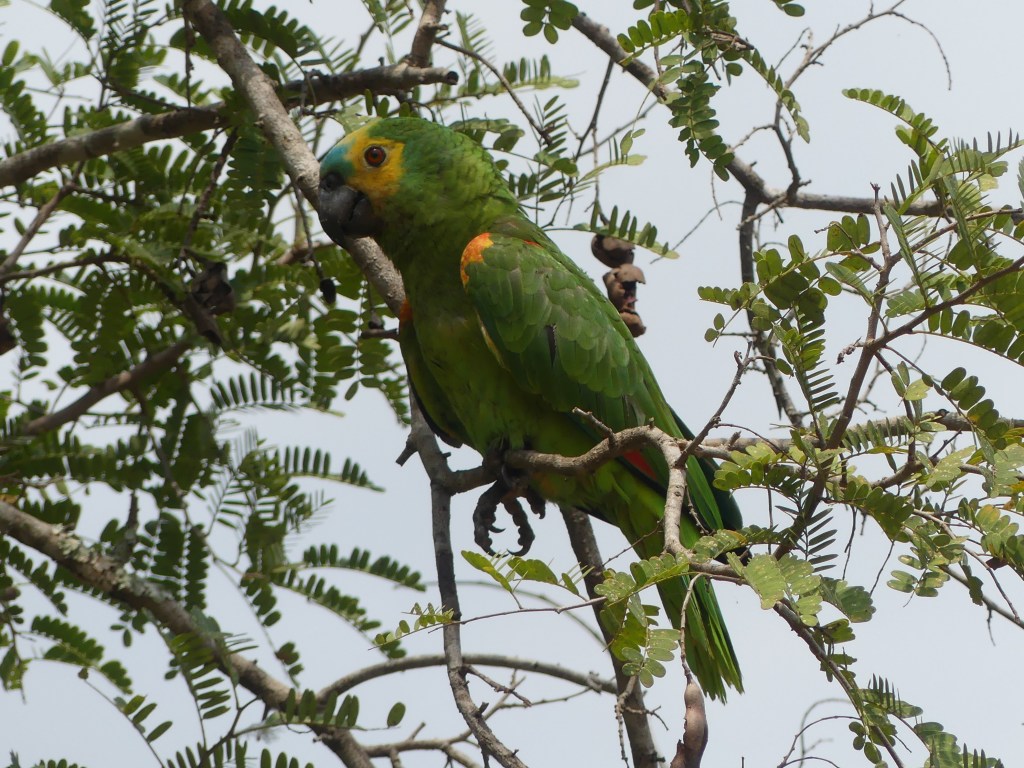
Turquoise Fronted Amazon Parrot
Scaled Dove
Rufus Hornero
Capped Heron
Toco Toucan
Savannah Hawk
Peach Fronted Parakeet
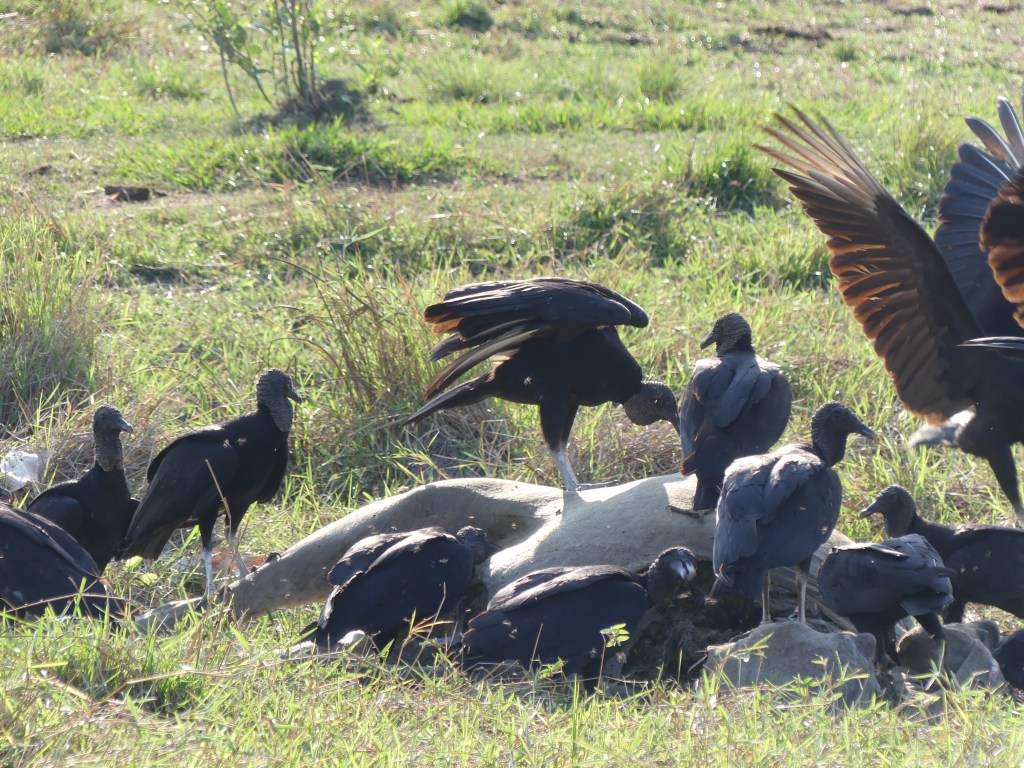
Black Vulture
Wood Stork
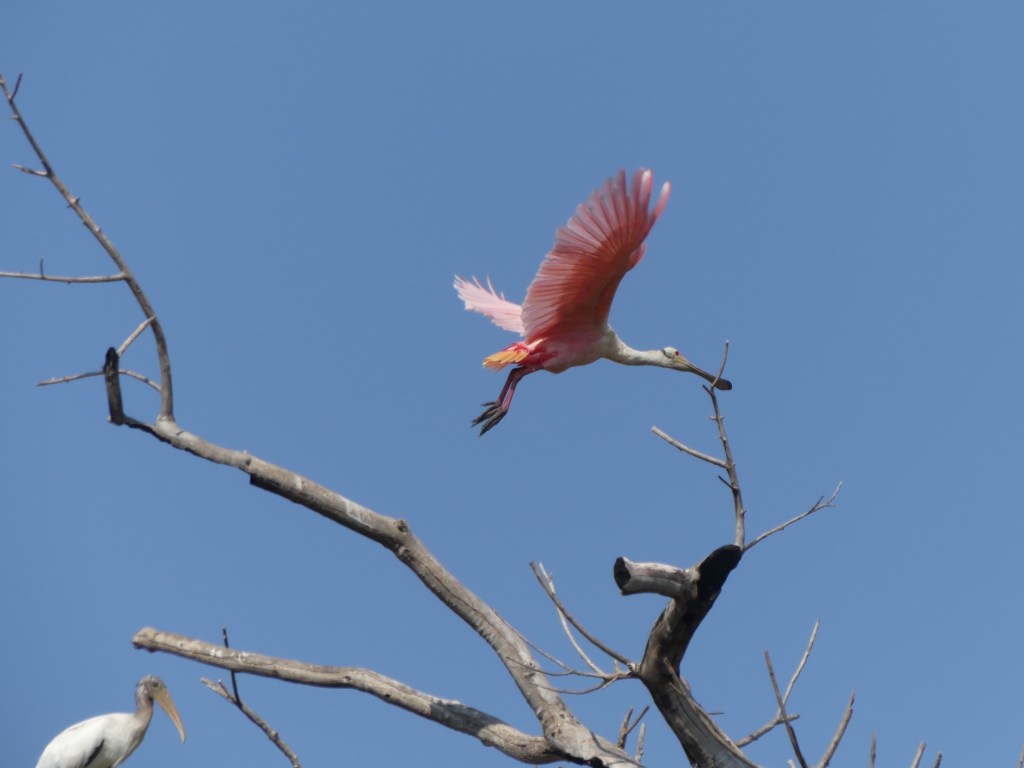
Roseate Spoonbill
Blue-Black Grassquit
Black Capped DonaCobius
Rusty Marginned Flycatcher
Grey Breasted Martin
Nantay Parakeet
Keira Cuckoo
Blue Crowned Parakeet
Crested HoraPendulam
Smooth Billed Ani
Pale Crested Woodpecker
Burrowing OwlBlue Fronted ParrotHyacinth MacawRed and Green MacawJabaru thick neckJabaruLaughing FalconGreat Black HawkPale Headed WoodpeckerAnother ParrotCapped HeronBlack VultureRoseate SpoonbillWood StorkGrey Breasted MartinRheaRed Legged SeriemaCaracaraToco ToucanVermillion Flycatcher
Just like Africa, the Pantanal has it’s own Big 5 in terms of animals to spot. I’m very pleased to report that, by the end of our stay, we’d seen all 5 which was very exciting.
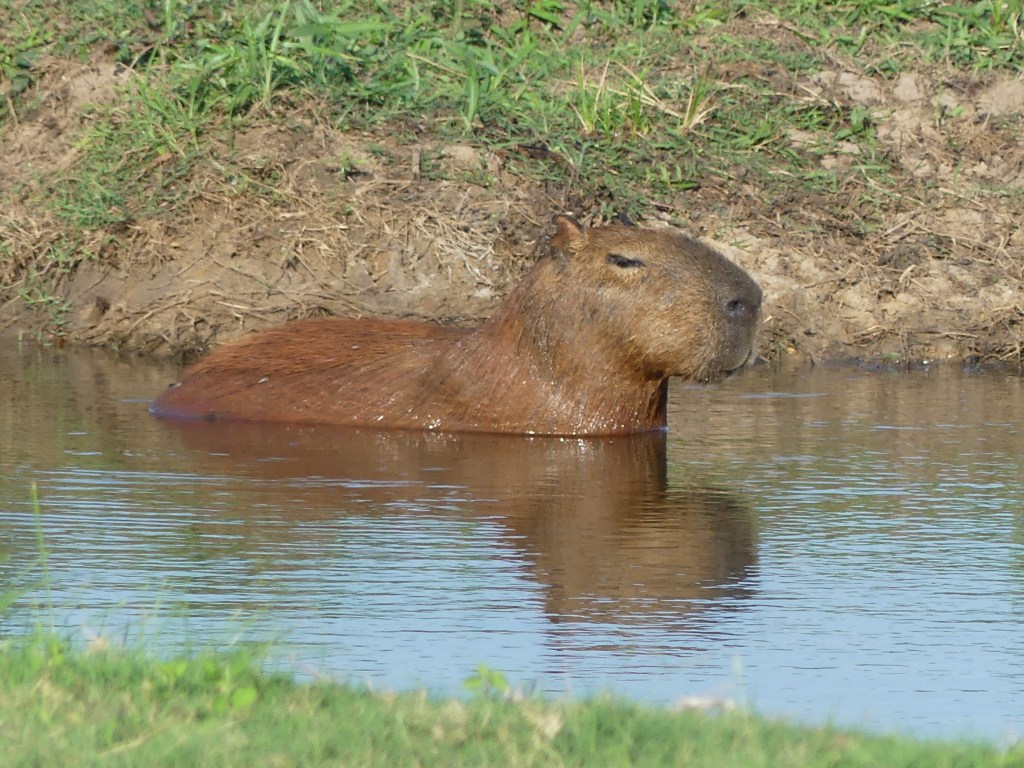
The easiest to find were the cute Capybaras as they lived just outside the lodge gates by the ‘pond’. They’re very docile and could be found each morning with birds on their backs or occasionally sitting in the muddy water.
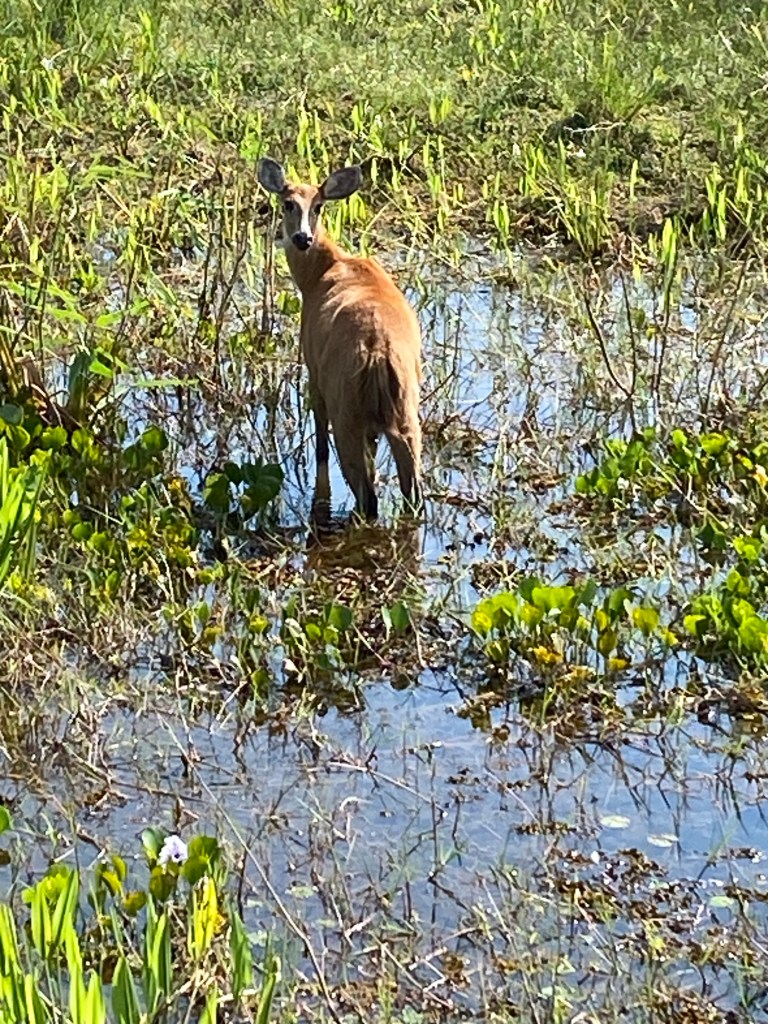
The Marsh Deer were actually quite hard to find. We saw lots of Pampas deer but the Marsh deer are bigger and have huge ears. To be honest, we didn’t get very excited about spotting deer…I mean Dave and Jayne get deer on their property in Scotland all the time!
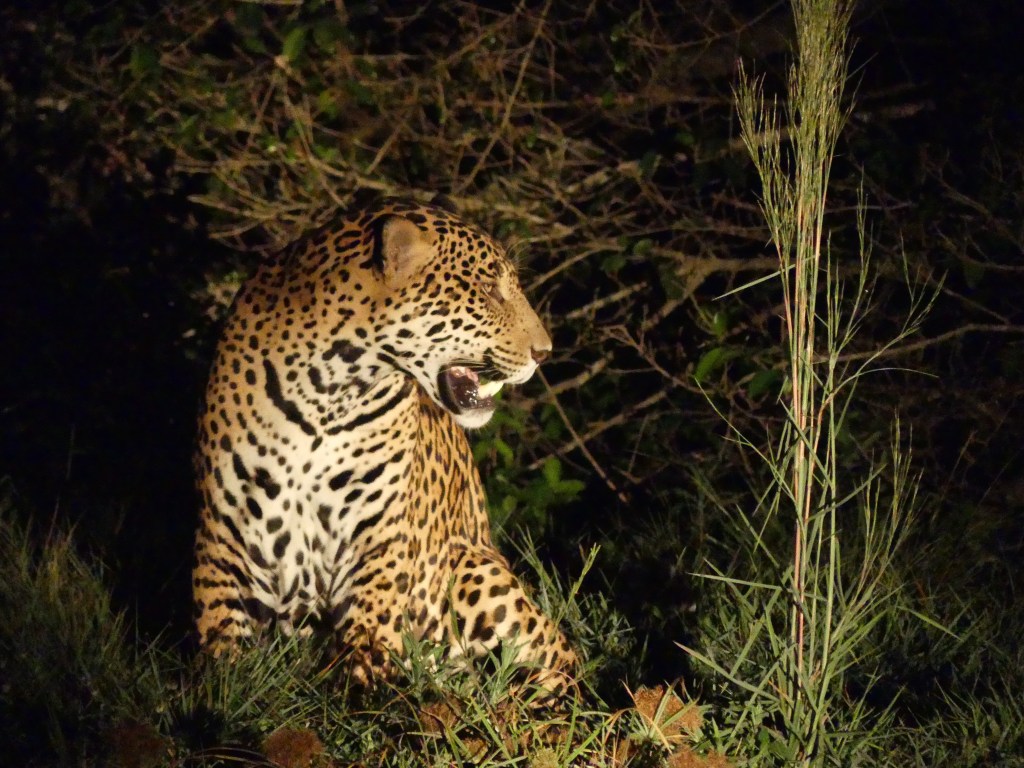
The next easiest to find, bizarrely, we’re Jaguars!!! Now this is what we’d really come here to see and we definitely were not disappointed. In total we spotted 9 different Jaguars whilst we were there. My favourite sightings were:
1) The first night. We were following 1 Jaguar when it started to walk through to another area where there were 2 other male Jaguars playing together. It was dark and incredibly exciting as the guides all said how rare this was and they thought it might all kick off. It didn’t but instead Jafar and Scar played nicely whilst Mango kept a distance.
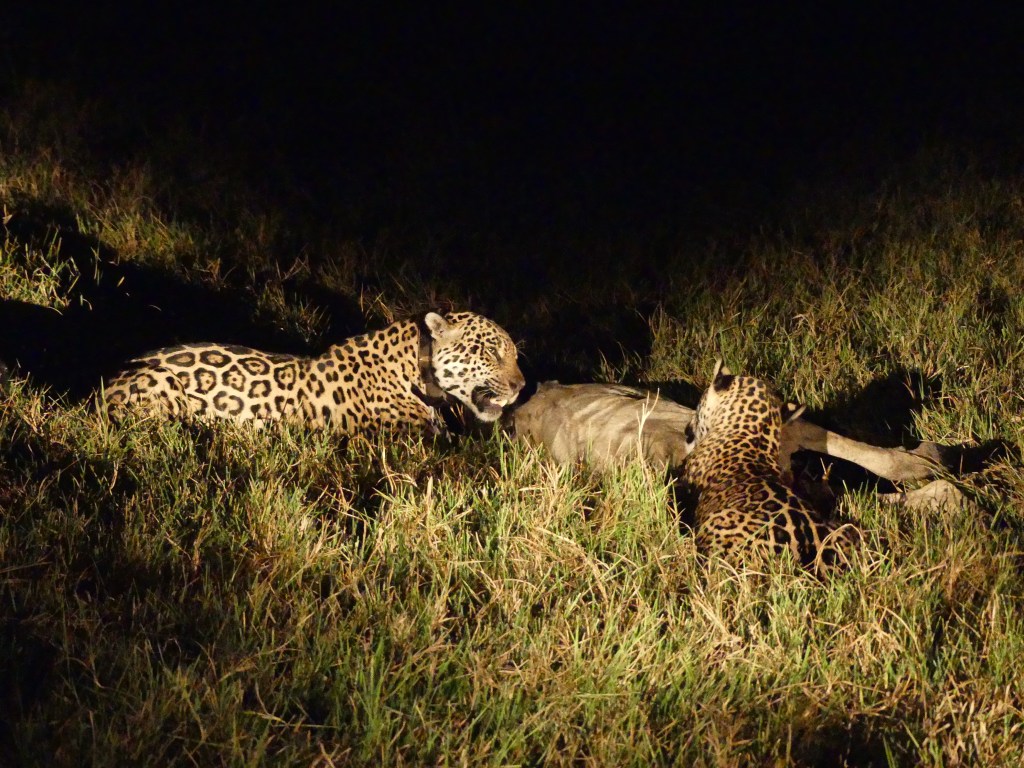
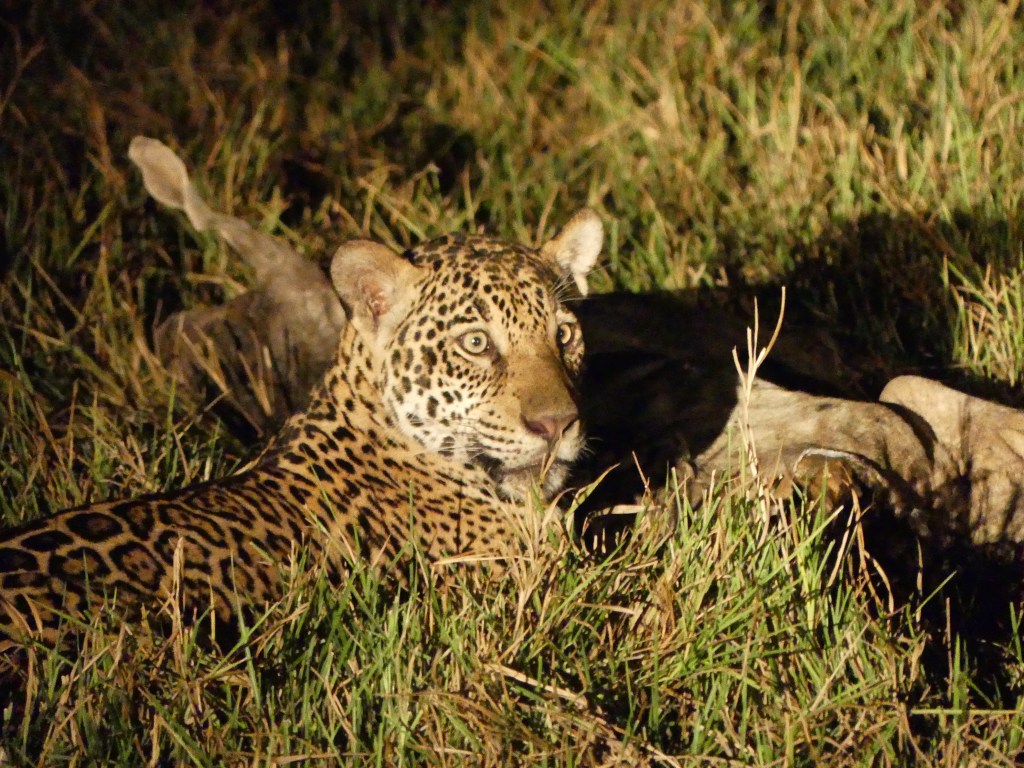
2) On our last night we came across Surya, a female Jaguar, lying sleeping in the grass in plain sight. We watched her for a while and then went to see her cub, Juba, who was hiding in a thicket nearby. Juba is actually 8 months old and she was very well hidden. We were about to move on when all of a sudden Surya came walking along. She looked as if she was going to walk past when Juba appeared out of the thicket. There was a flurry of movement as Surya flew at the cub and snarled angrily bearing her teeth as if to say ‘Don’t you dare get out of that bush’. We watched from within 15 metres of this completely open mouthed. But the action didn’t stop there. We proceeded to follow Surya across the track and to her kill from yesterday (a cow). Juba tried to follow but again got snarled at and held back. We watched this scene unfold for about an hour as it got dark. Mum tucked into the carcass as Juba watched patiently but every now and then edged towards the feast. Finally, when Mum had just about had enough, Juba was allowed to join in. It was an amazing thing to watch.
3) On our last morning, when it was just Jane and me in the van with our guides as everyone had left, we had one more treat. As we were driving back for breakfast all of a sudden by the track and right beside us, a HUGE Jaguar bounded out of one of the drainage pipes under the road where it had been sheltering. We’d been staring at a bird and just moved on and so I think we gave the waking Jaguar a fright. The power of this beast was awesome and we’d just met out 9th Jaguar, a big male called Caira. What a final treat!
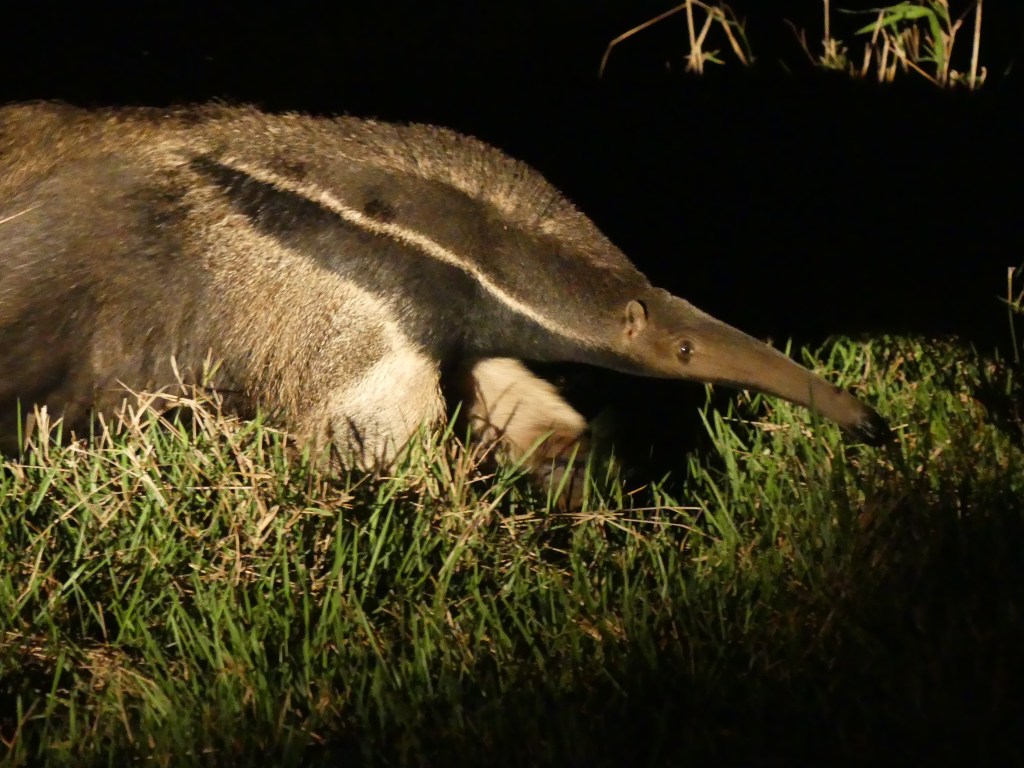
The fourth of the Big 5 is the Giant Anteater. We had a couple of sightings of these strange looking beasts with their long nose for eating 35000 termites and other insects a day! They’re mostly nocturnal when the weather is hot and use their bushy tails to keep them warm when sleeping.
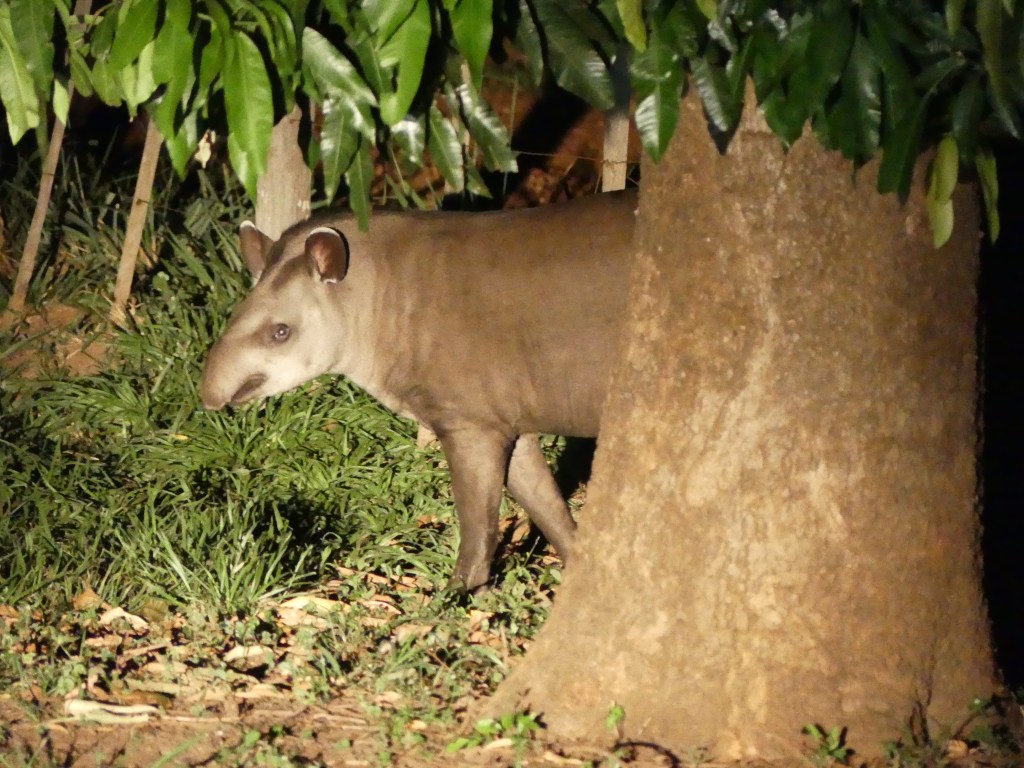
Finally, we had one more of the Big 5 to find, the Tapir. Another unusual creature with a nose like a mini trunk! They’re nocturnal too and we’d been told at the very beginning by Carol, that they were the most difficult to find. So, on our last night this was the mission for our truck, find the Tapir! We’d had no luck all afternoon but after the lamp lit dinner, Carol suggested we go and take a final look up Mango Alley. We could not believe our luck when there it was – our lovely, weird Tapir. He was only there for a fleeting couple of minutes before he mooched back into the field and was hidden in the long grass.
Fantastic…the Big 5……tick!
Capybara ChillingCool CapybaraKissin’ CapybaraMarsh Deer in a MarshJafarScarSurya and JubaJuba…my turn? CairaCaira up closeYes I have a long nose.Giant Anteater foragingTime to sleep TapirI’m off.
I’m writing this as we fly onto our next stop and after four and a half days in the Pantanal. We’ve been so busy that I’ve not had time really to post Blogs!! And I think this was supposed to be the relaxing part of the trip!
However, in answer to the question at the end of my last post ‘Was it worth all of that travel?’ the answer is most definitely YES!
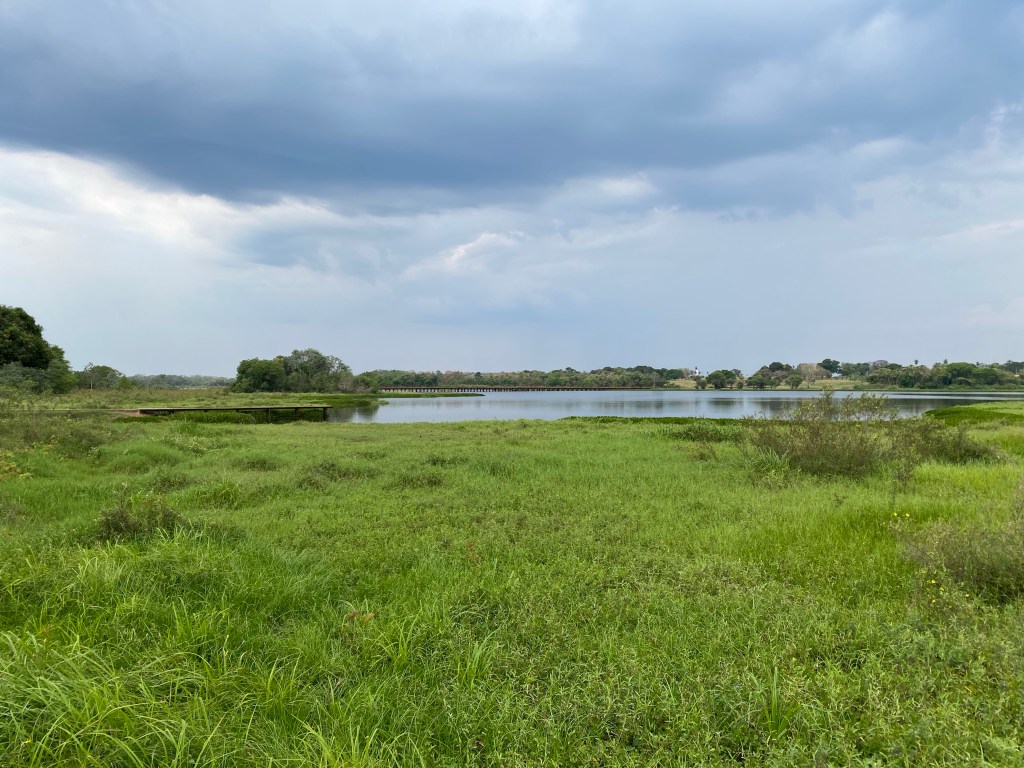
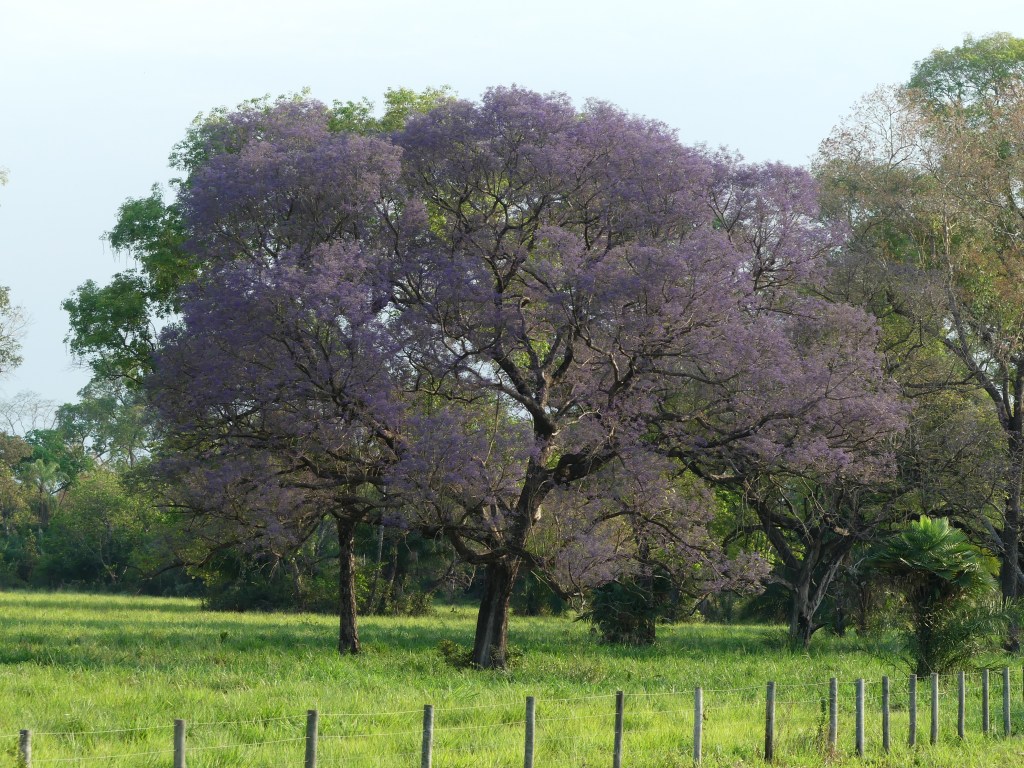
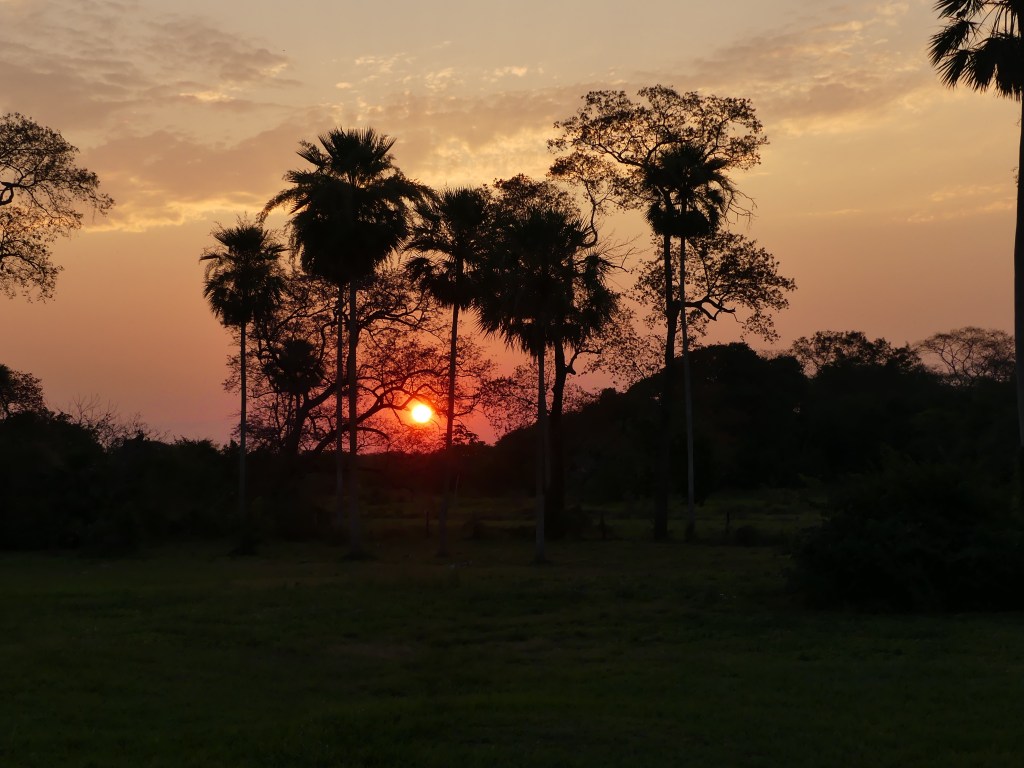
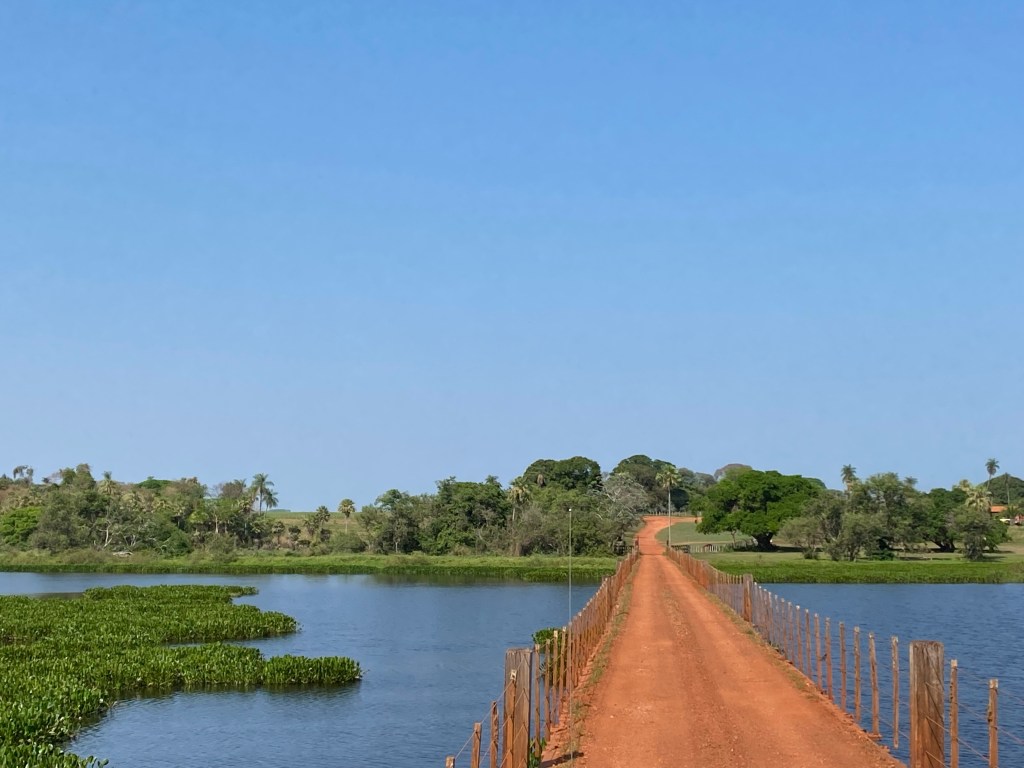
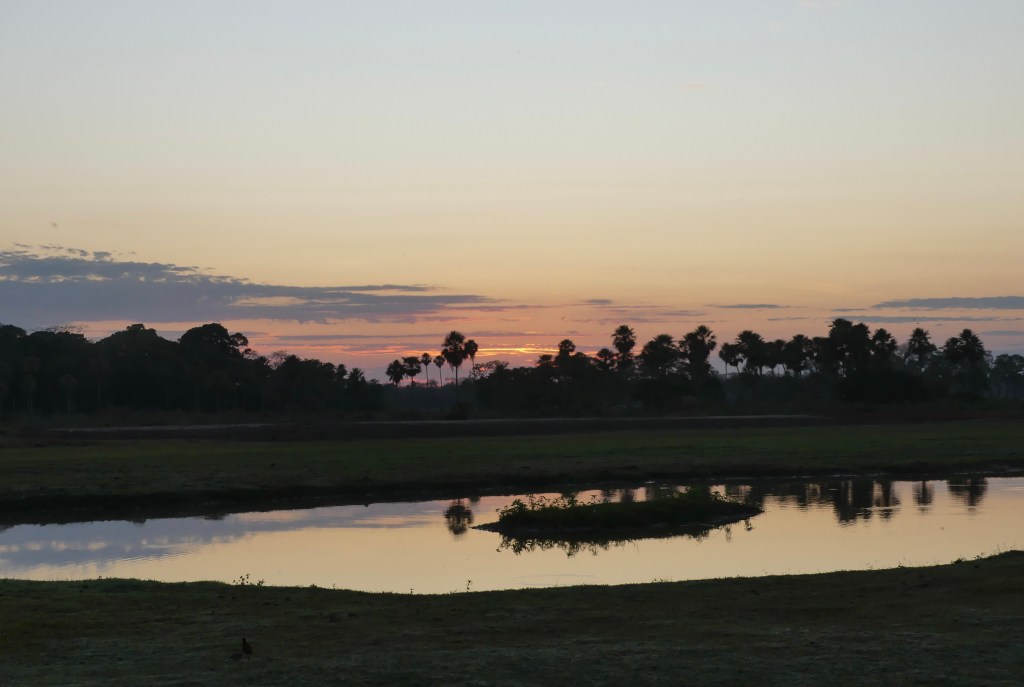
The Pantanal is right in the centre of Brazil and is a huge area of 210,000km2 expanding into both Bolivia and Paraguay. It is a UNESCO World Heritage biome and 78% of the vegetation is still natural. It’s famous for it’s different seasons….the wet season running from Jan to March when vast areas become wetlands , perhaps what you think of when you picture the Pantanal. However, we were visiting in the dry season (Jul to Sept) when the land has drained and animals are easiest to find as they have to come out of hiding to find water.
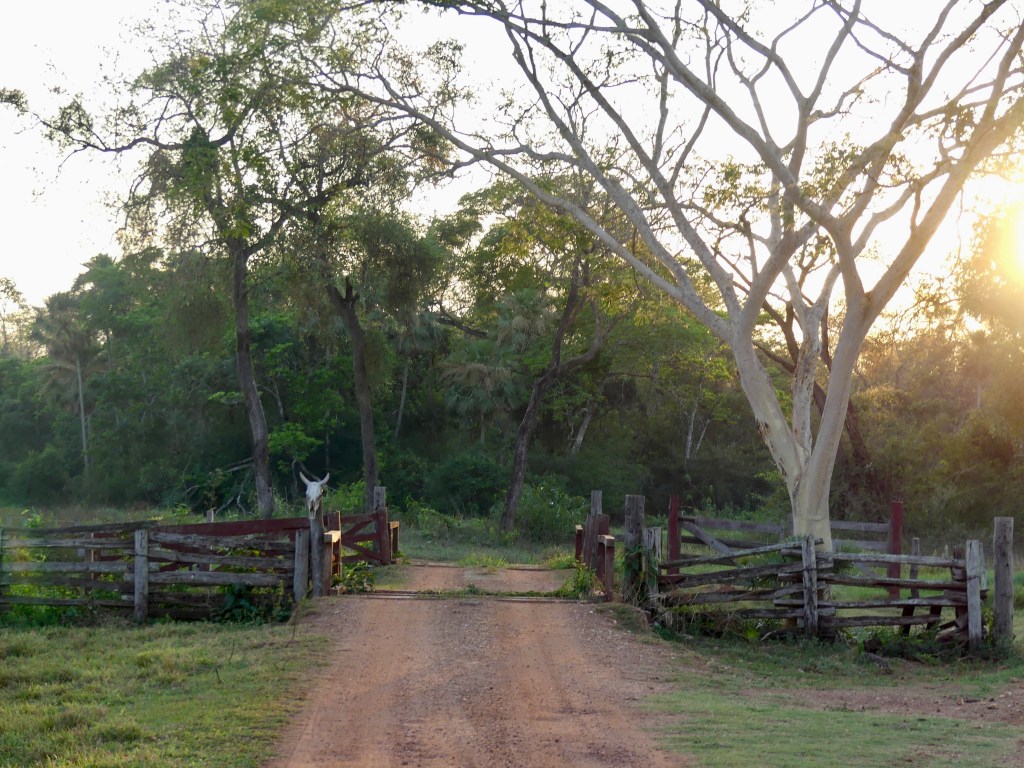
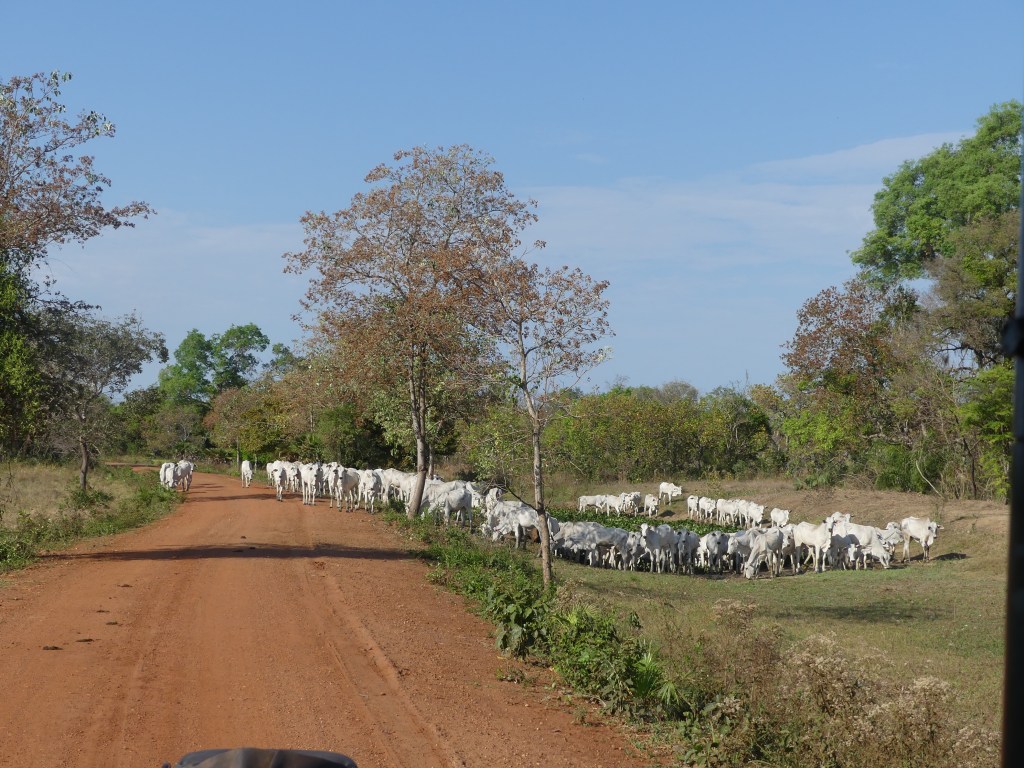
Our lodge was Caiman Lodge a 53,000 hectares ‘farm’ owned by a rich Brazilian Businessman, Roberto Klabin. He has developed ecotourism here which means that cattle ranching works alongside the expanding tourism business. It’s a beautiful luxury lodge employing 120 local people and supporting several different conservation projects. We had one day with the NGO Oncafari Team whose specialist subject is Jaguars! Their ability to track the Jaguar (using remote cameras and collars that transmit VHF and GPS signals, is part of the reason for the success of tourism here. It has meant that the local ranchers realise that they don’t have to kill these beautiful animals , which do sometimes eat their cows, but can live in harmony as tourism provides so many other advantages (schools, healthcare) and income. Part of the deal is that the farmers are compensated if they lose more than 3% of their herd in a year…but so far since Oncafari began in 2012 , this has never happened.
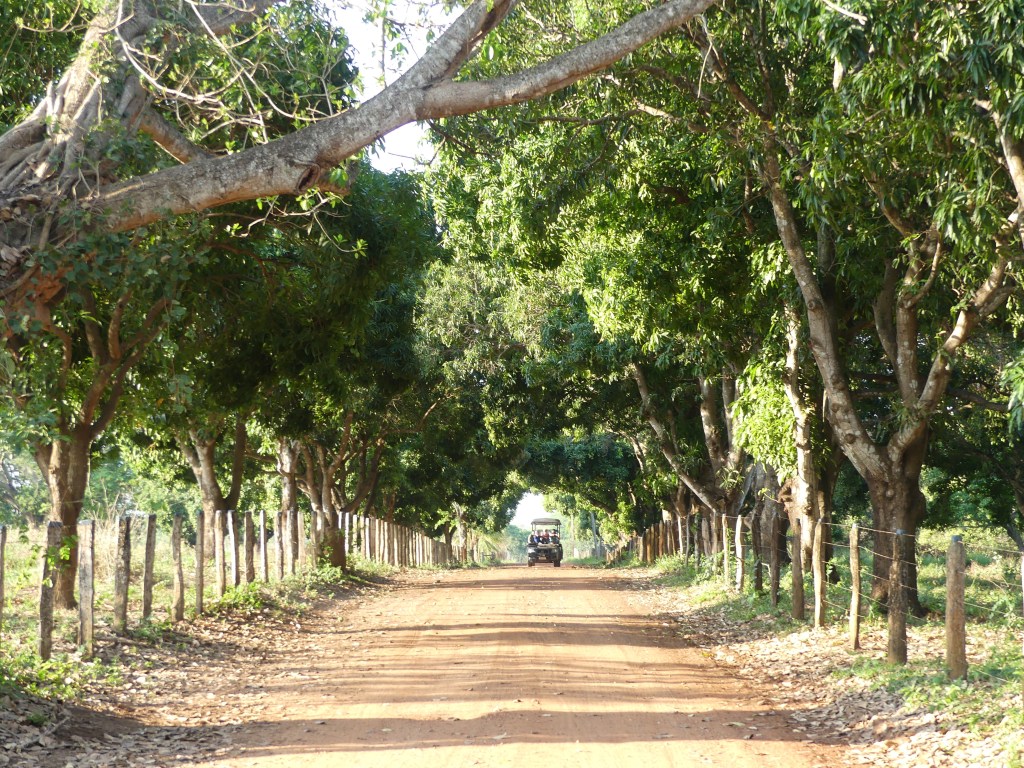
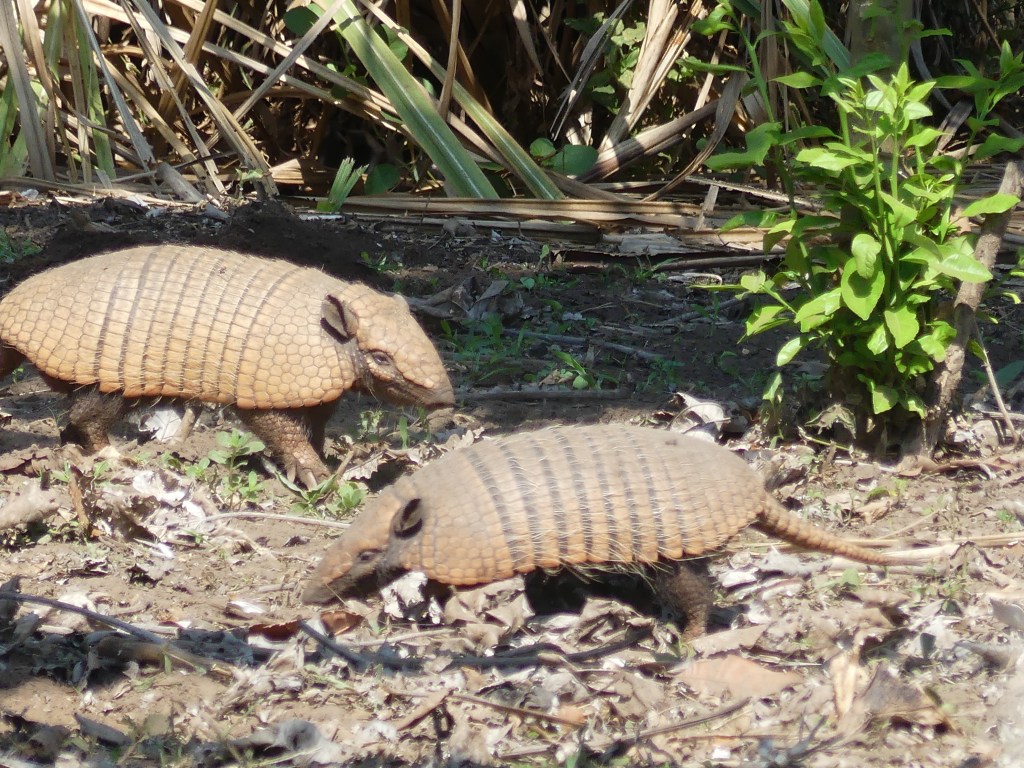
Safaris, under the expert guidance of Carol and local driver ‘Giovanni with the Smiley eyes‘ take place in the early morning (5-30 to 9) and then in the late afternoon (4- 7-30pm). They’re exactly the same as an African safari and we had a wonderful time. There are so many different areas to explore with beautiful trees, waterholes, a vast permanent lake, grasslands, forested areas. Some of our favourite areas were ‘Mango Alley’ (look out here for tapir), Anteater orchard full of termite mounds, Bat Bridge (where at night we’d drive through so many insects attracted by spotter lamp and which in turn meant we had bats flying all around us) and ‘The Armadillo Garden’.
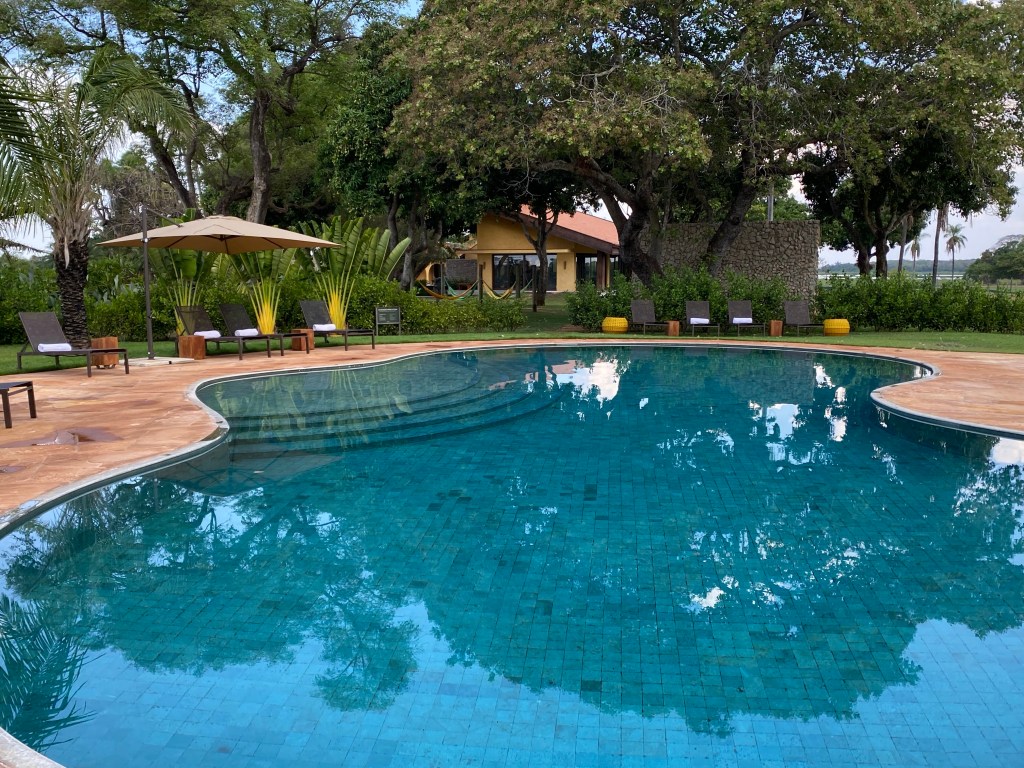
In between game drives we ate wonderful meals and rested up. It was so hot (a stifling 37degrees) outside during the day that we hid in our room mostly with the air con on! However, once we were feeling better we did really enjoy swimming in the lovely pool and had it all to ourselves.
We made new friends on our safari trips , Julie and Suki, who were from Tring, near London! Very similar in age and outlook to us so it made our whole time very sociable and fun.
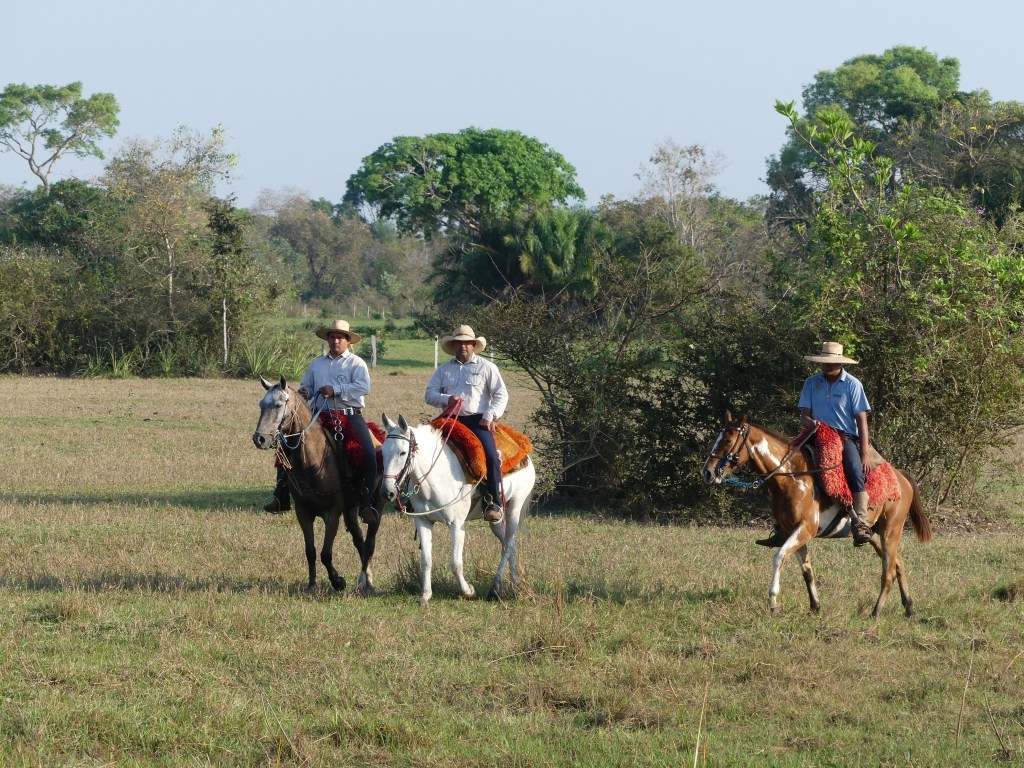
There were two ‘secret’ special evening meals whilst we were there. The first was held at a ranch where we ate traditional Brazilian cowboy food including steak carved off a great big stick and very rare but tasty. This was Jane’s birthday and we were serenaded by a couple of the old gauchos too. It’s a little uncomfortable as it remains very hot, you’re still dressed in all your smelly safari gear and covered in Deet to fight off the mosquitos but boy the beers (or ‘Chop’) tasted good that night!
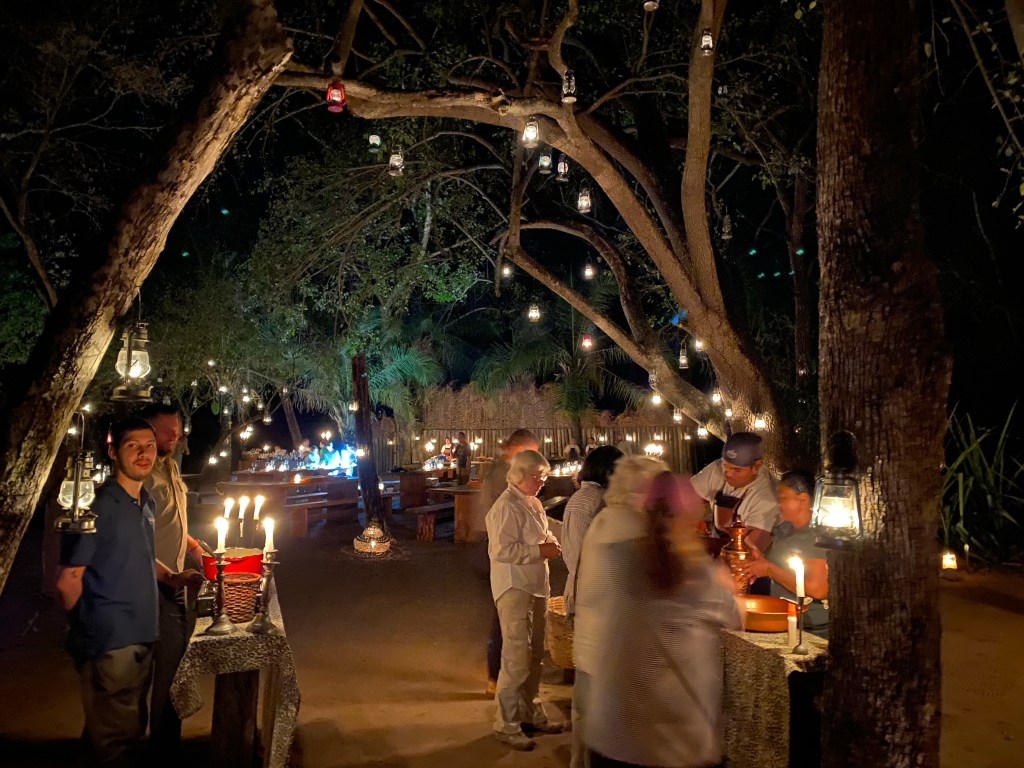
The next night we were taken in the safari vehicles, to an open area in the bush which had been lit up with about 200 lanterns and looked absolutely magical. We sat at long tables chatting with fellow guests, several Brits, including a very posh couple in their 80s who were having a ‘super’ adventure all around Brazil! We were also joined by a very nice American couple from Texas and a lovely young Brazilian lady who was accompanying her very elderly aunt.
It is truly a special place, as I’ll try to show you over the next couple of posts, where I’ll focus (or Jane and her camera will)on what we saw. We were not disappointed!!


















 Where shall we go to next?